A novel method for the online collaborative analysis of Arctic sea ice data from remote sensing observations and numerical simulations
LIU Yufu1(), XU Hao1, BAI Yuqi1,2()
1. Department of Earth System Science, Ministry of Education Ecological Field Station for East Asian Migratory Birds and Their Habitatses, Institute for Global Change Studies, Tsinghua University, Beijing 100084, China 2. Tsinghua Urban Institute, Tsinghua University, Beijing 100084, China
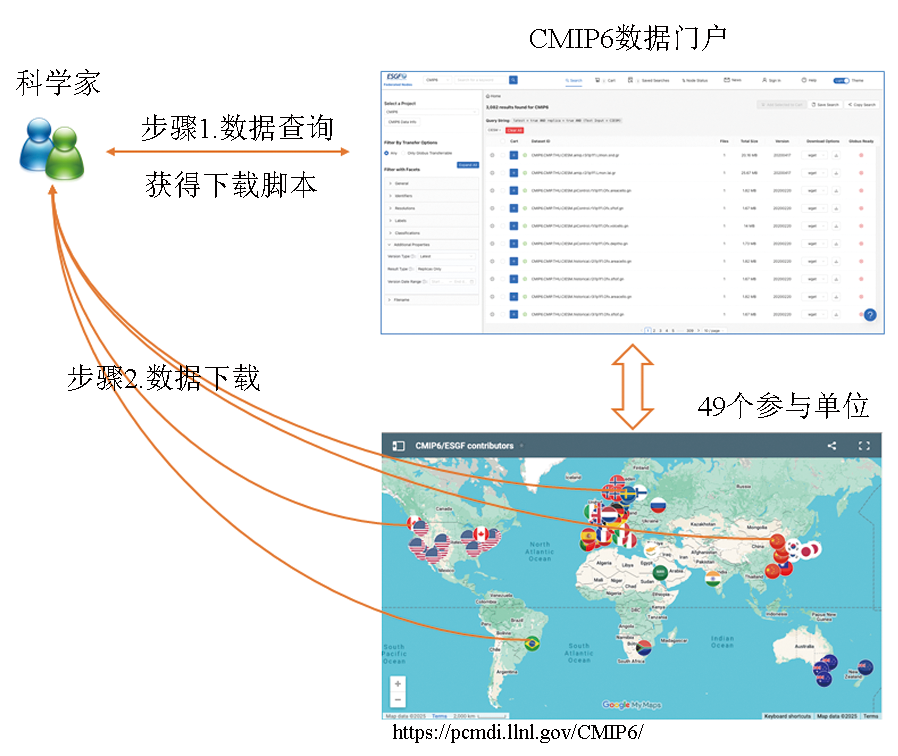
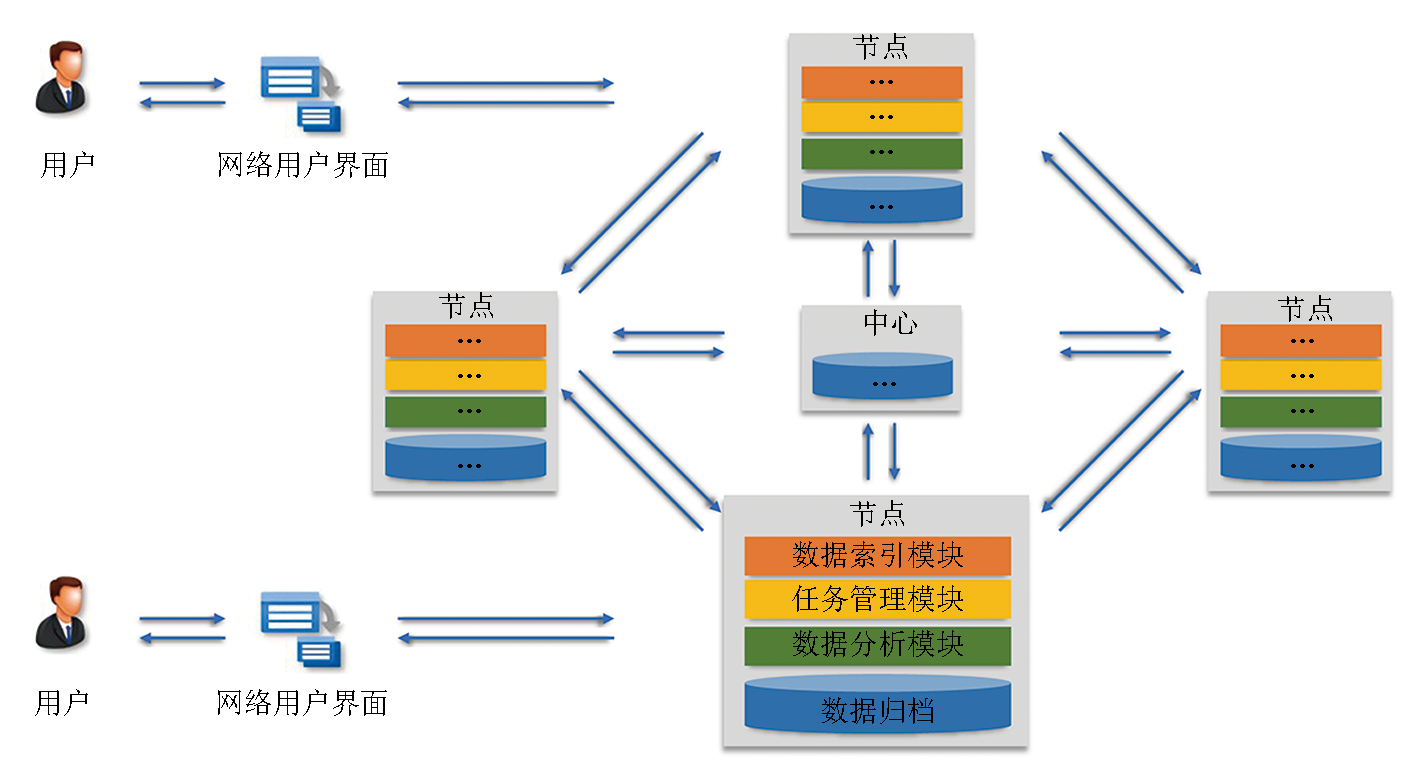
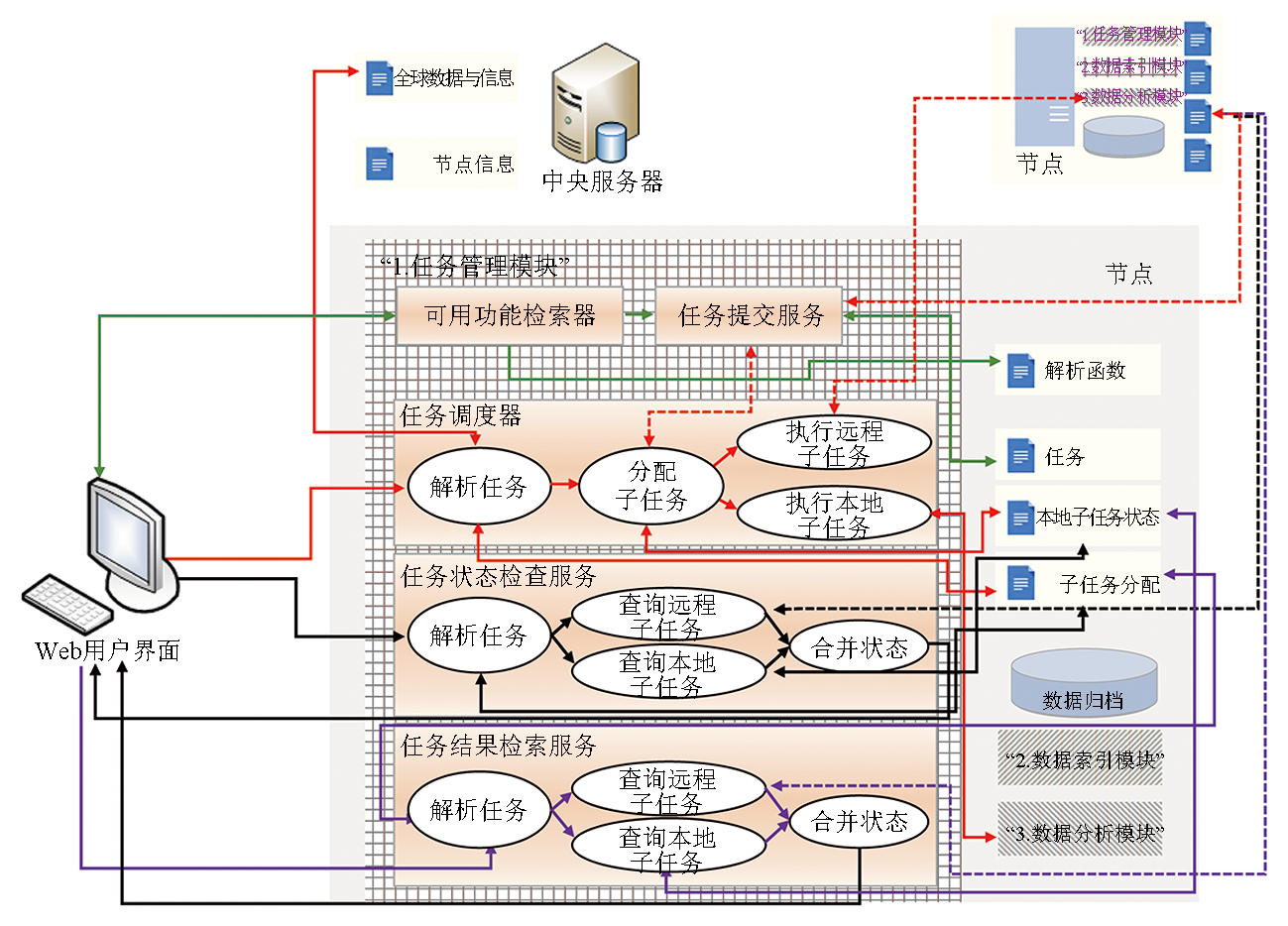
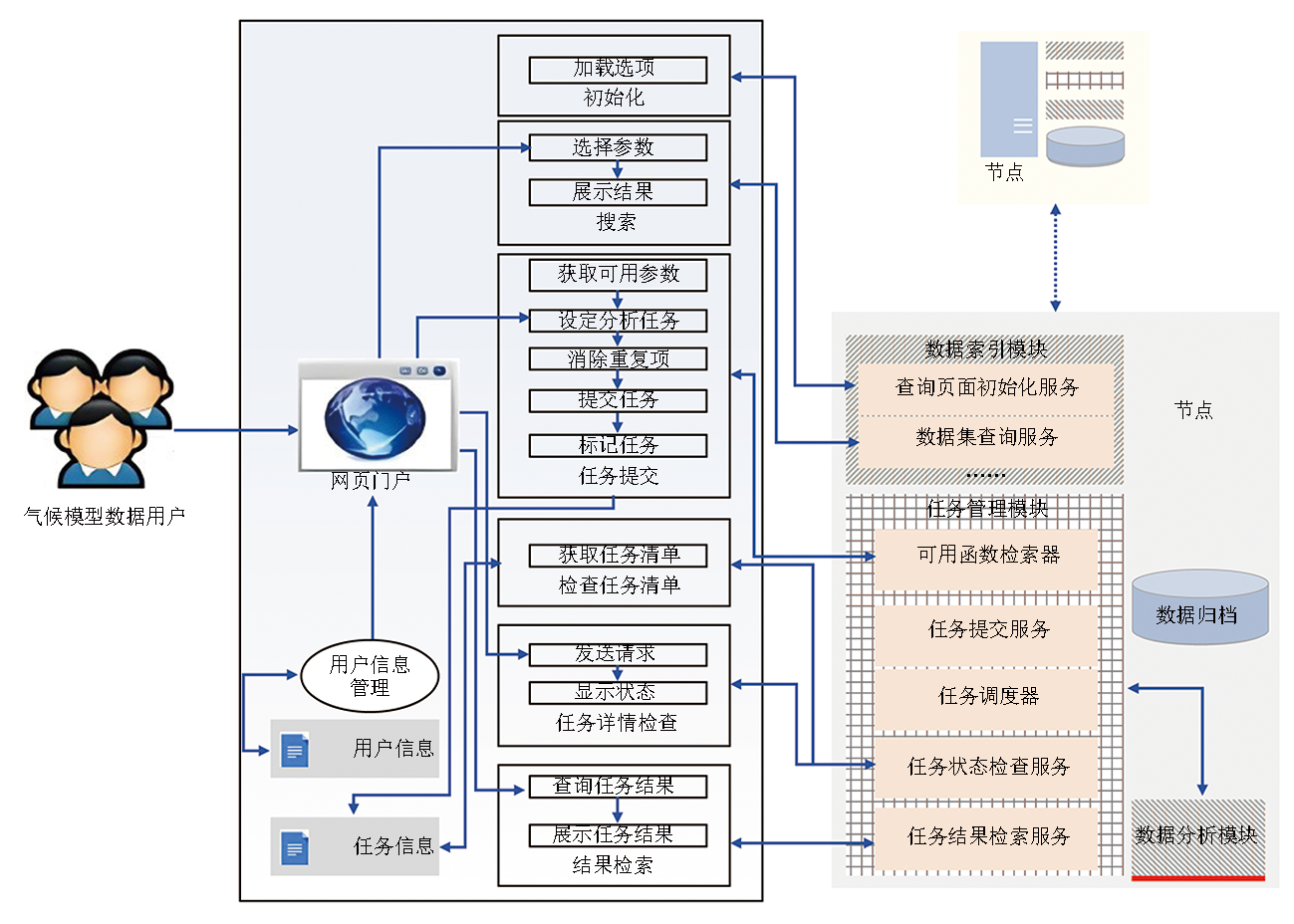
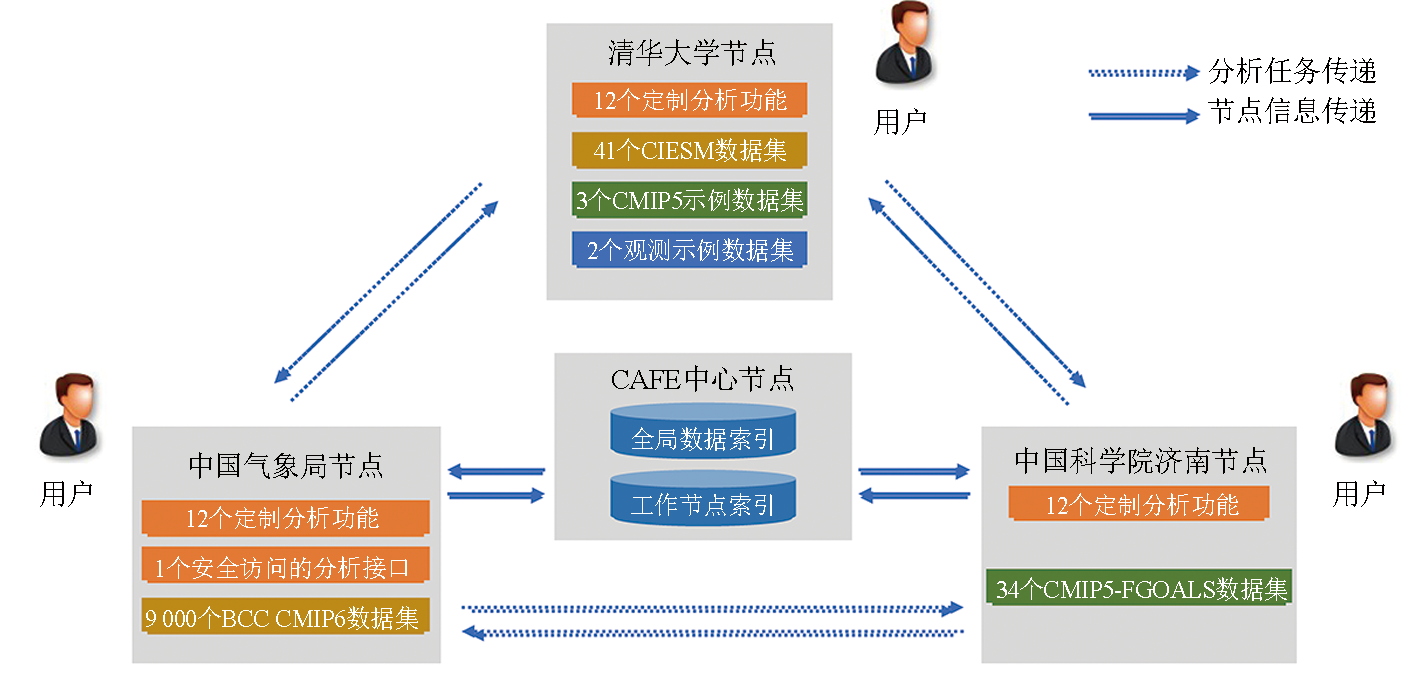
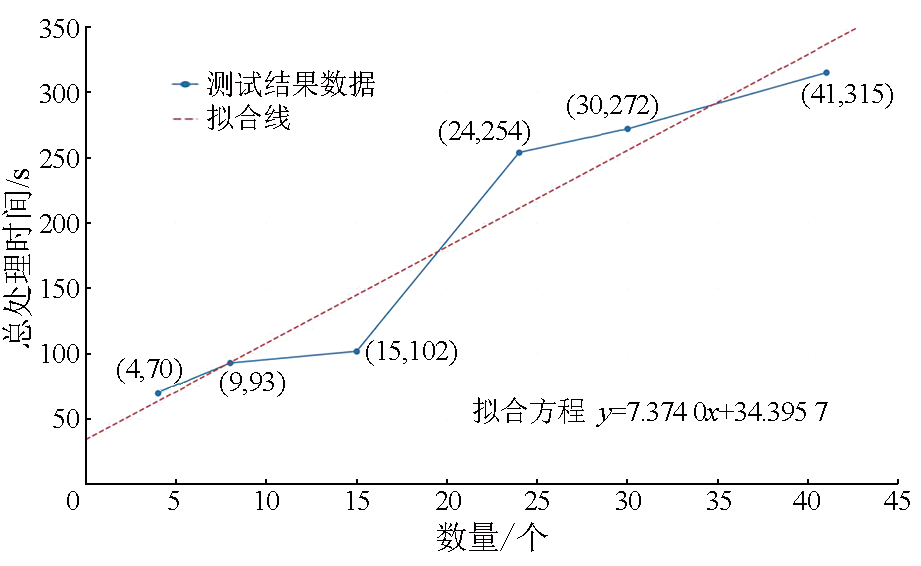
The Arctic region is one of the most sensitive regions to global climate change in terms of response and feedback. Sea ice in the Arctic region affects the Arctic environment, ecosystems, and climate while also exerting profound influences on global ocean circulation, climate, and biodiversity. Hence, gaining a deep understanding of sea ice is critical for understanding the operational mechanisms of the Earth system, predicting climate change trends, conserving ecosystems, and advancing sustainable development. Through remote sensing observations and numerical simulations, substantial scientific data related to the historical distribution and future changes of Arctic sea ice have been acquired. These data are currently stored in large remote sensing science data centers and multiple Earth system simulation data centers involved in the Coupled Model Intercomparison Project (CMIP). However, a thorough comparative analysis of these distributed scientific data is challenged by the downloading of mass data. Based on the CMIP scientific data, this study demonstrated the difficulties encountered in data downloading. Accordingly, this study proposed a novel method and corresponding software solution for online collaborative analysis. Focusing on the sea ice data from remote sensing observations and numerical simulations, this study expounded the deployment and operation of the proposed method in multiple institutions. The proposed method can enrich the technical system for the findability, accessibility, interoperability, and reusability of the scientific data of sea ice. The demonstrated online collaborative analysis system can significantly enhance the analysis and utilization efficiency of sea ice data.
刘昱甫, 徐灏, 白玉琪. 北极海冰遥感观测和数值模拟数据的在线协同分析方法研究[J]. 自然资源遥感, 2025, 37(6): 55-63.
LIU Yufu, XU Hao, BAI Yuqi. A novel method for the online collaborative analysis of Arctic sea ice data from remote sensing observations and numerical simulations. Remote Sensing for Natural Resources, 2025, 37(6): 55-63.
Tang S L, Qin D H, Ren J W, et al. The studies of polar sea ice and their contribution to climate change researches[J]. Journal of Glaciology and Geocryology, 2006, 28(1):91-100.
[2]
Riihelä A, Bright R M, Anttila K. Recent strengthening of snow and ice albedo feedback driven by Antarctic sea-ice loss[J]. Nature Geoscience, 2021, 14(11):832-836.
doi: 10.1038/s41561-021-00841-x
[3]
Di Biagio C, Pelon J, Blanchard Y, et al. Toward a better surface radiation budget analysis over sea ice in the high Arctic Ocean:A comparative study between satellite,reanalysis,and local-scale observations[J]. Journal of Geophysical Research:Atmospheres, 2021, 126(4):e2020JD032555.
[4]
Jäkel E, Sperzel T R, Wendisch M, et al. What determines the Arctic solar radiation energy budget at the surface most strongly:Clouds,surface albedo,or the solar zenith angle?[J]. Journal of the European Meteorological Society, 2025,3:100016.
[5]
Zhu J L, Liu Y L, Wang X Y, et al. Optical properties and surface energy flux of spring fast ice in the Arctic[J]. Acta Oceanologica Sinica, 2021, 40(10):84-96.
[6]
Doney S C, Ruckelshaus M, Emmett Duffy J, et al. Climate change impacts on marine ecosystems[J]. Annual Review of Marine Science, 2012,4:11-37.
[7]
Blanchet M A, Primicerio R, Frainer A, et al. The role of marine mammals in the Barents Sea foodweb[J]. ICES Journal of Marine Science, 2019, 76(Supplement_1):i37-i53.
[8]
Pagano A M, Durner G M, Atwood T C, et al. Effects of sea ice decline and summer land use on polar bear home range size in the Beaufort Sea[J]. Ecosphere, 2021, 12(10):e03768.
doi: 10.1002/ecs2.v12.10
[9]
Herman-Mercer N M, Laituri M, Massey M, et al. Vulnerability of subsistence systems due to social and environmental change[J]. Arctic, 2019, 72(3):258-272.
doi: 10.14430/arctic68867
[10]
Rantanen M, Karpechko A Y, Lipponen A, et al. The Arctic has warmed nearly four times faster than the globe since 1979[J]. Communications Earth & Environment, 2022,3:168.
[11]
Serreze M C, Barry R G. Processes and impacts of Arctic amplification:A research synthesis[J]. Global and Planetary Change, 2011, 77(1/2):85-96.
doi: 10.1016/j.gloplacha.2011.03.004
[12]
Screen J A, Simmonds I. The central role of diminishing sea ice in recent Arctic temperature amplification[J]. Nature, 2010, 464(7293):1334-1337.
doi: 10.1038/nature09051
[13]
Stroeve J C, Serreze M C, Holland M M, et al. The Arctic’s rapidly shrinking sea ice cover:A research synthesis[J]. Climatic Change, 2012, 110(3):1005-1027.
doi: 10.1007/s10584-011-0101-1
[14]
Comiso J C, Nishio F. Trends in the sea ice cover using enhanced and compatible AMSR-E,SSM/I,and SMMR data[J]. Journal of Geophysical Research:Oceans, 2008, 113(C2):2007JC004257.
Ji Q, Pang X P, Xu S Q, et al. Review of technology and application research on polar sea ice thickness detection[J]. Chinese Journal of Polar Research, 2016, 28(4):431-441.
doi: 10.13679/j.jdyj.2016.4.431
Zhou T J, Zou L W, Chen X L. Commentary on the coupled model intercomparison project phase 6(CMIP6)[J]. Climate Change Research, 2019, 15(5):445-456.
[17]
Cinquini L, Crichton D, Mattmann C, et al. The Earth System Grid Federation:An open infrastructure for access to distributed geospatial data[C]//2012 IEEE 8th International Conference on E-Science.October 8-12,2012, Chicago,IL,USA.IEEE, 2013:1-10.
[18]
Liu Y, Wang M, Chen L, et al. A collaborative analysis framework for environmental data (CAFE)[J]. Environmental Modelling & Software, 2018,99:113-126.
 2025, Vol. 37
  ), 徐灏1, 白玉琪1,2(